Diaspora Advocacy: From Copenhagen to Geneva
Starting From Frustration
IDCTE didn't start as an institution — it started as a group of Eelam Tamil youth in the Nordics who were frustrated watching justice for their people stall year after year. None of us came from careers in diplomacy. What we had was proximity to the issue, language skills, and time.
Building Credibility Takes Repetition
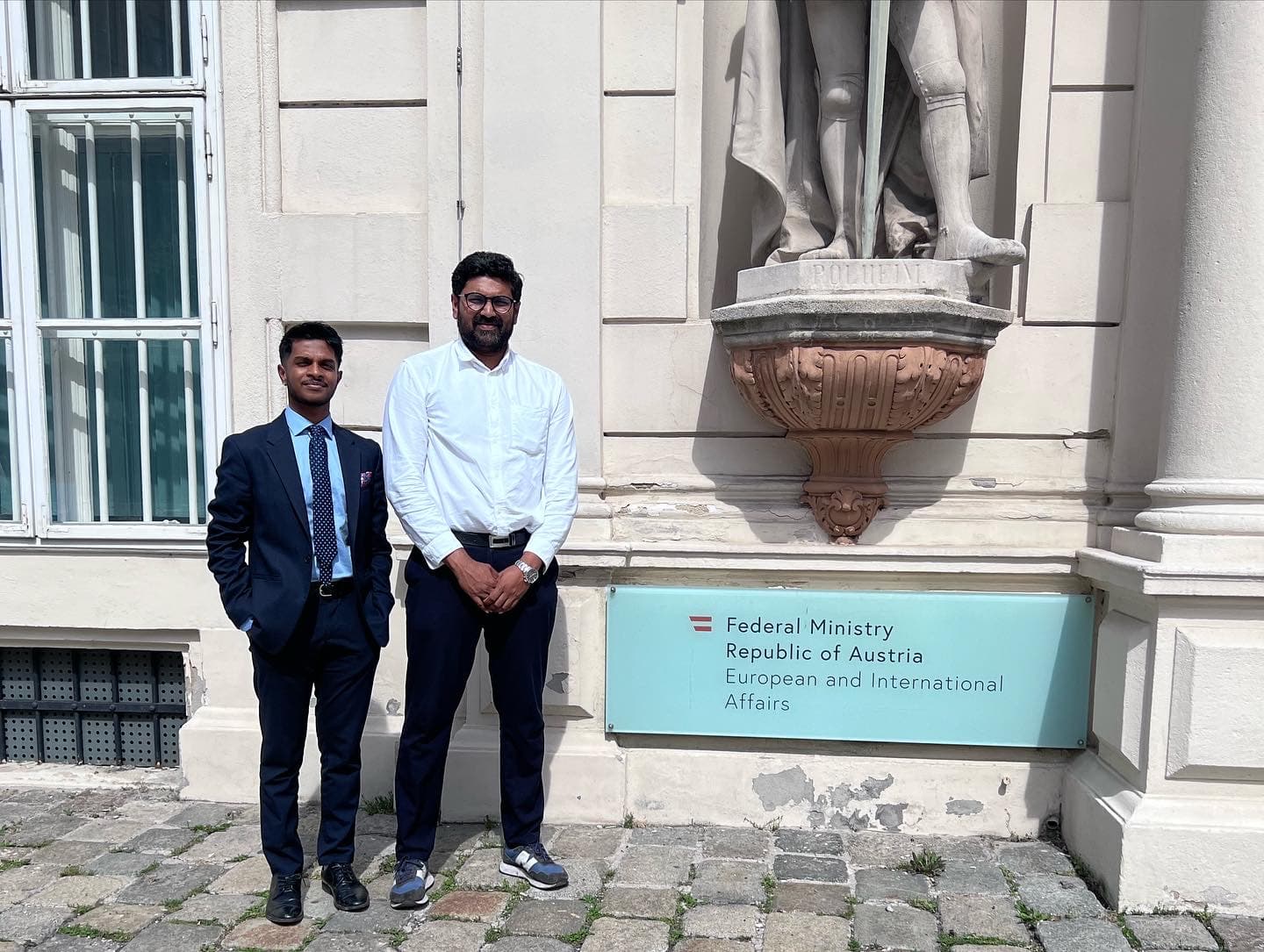
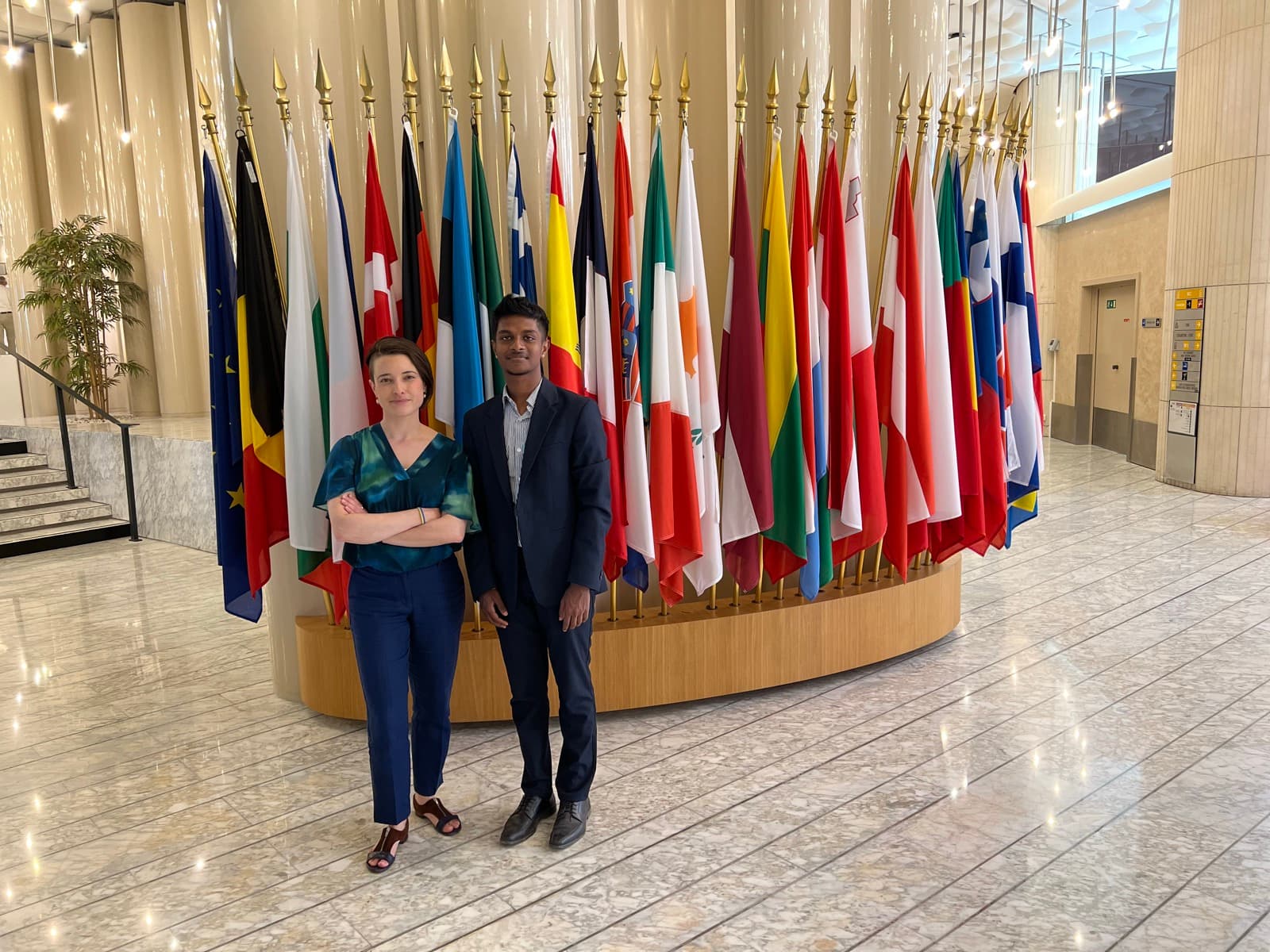
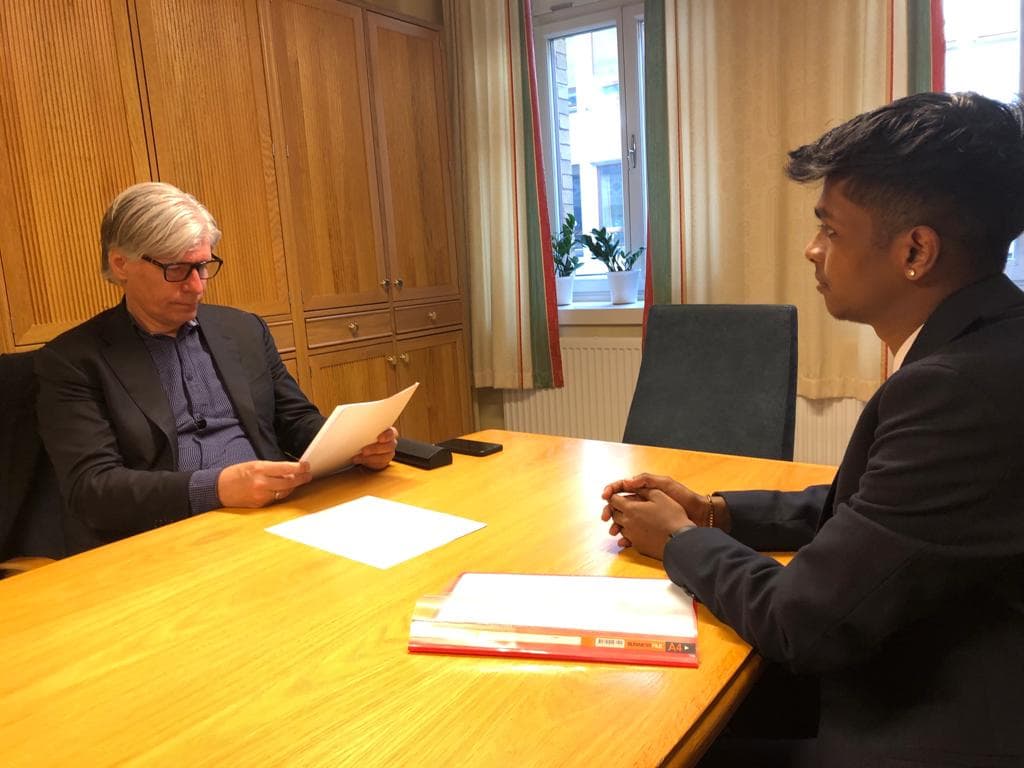
Access to institutions like the UN Human Rights Council or the European Parliament isn't granted on the strength of a single meeting. It's built through showing up consistently — attending the same sessions year after year, following up on the same asks, and providing officials with research they can actually use rather than only testimony. Over time, that consistency is what turns a volunteer group into a recognized voice.
Why the Diaspora Role Is Distinct
Diplomats and officials generally cannot access the North-East of the island the way the diaspora can, through family, community networks, and trust built over generations. That gives organizations like IDCTE a research and information role that complements more traditional NGO fact-finding — we are often the ones who can verify what's actually happening on the ground and translate it into something policymakers can act on.
What's Changed, What Hasn't
What's changed since 2021 is reach: more governments now take our meetings, and our research is cited in places we didn't expect. What hasn't changed is the core problem we started with — delayed justice. That's still the reason this organization exists.
Curious how to get involved? Visit our Get Involved page.